
Strong Bones, Strong Life
Your comprehensive guide to bone health nutrition for women 50 and older. Discover evidence-based insights, nutrient-rich foods, and practical strategies to support bone strength and overall wellbeing during this important life stage.
At Olderwomenthrivehealth, we believe that informed choices about nutrition can make a meaningful difference in how you age. Whether you're concerned about bone density, looking to optimize your diet, or simply want to understand your body better, our editorial content is here to empower you with knowledge and confidence.
The information on this site is for educational purposes only and does not constitute medical advice. Always consult a qualified healthcare professional before making health decisions.
Why Bone Health Matters After 50
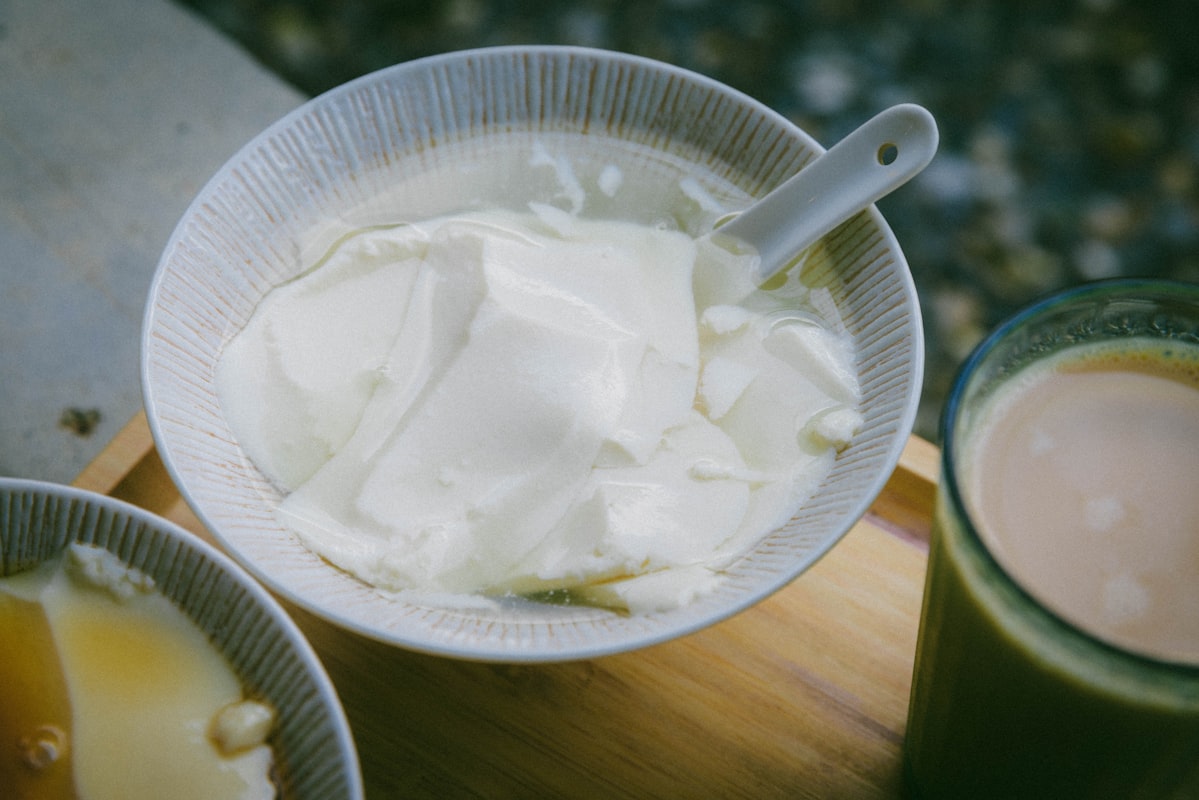
Bone health becomes increasingly important for women after age 50. During this stage of life, many women experience significant changes in bone density due to hormonal shifts and natural aging processes. Understanding these changes and how proper nutrition supports bone strength is essential for maintaining mobility, independence, and quality of life.
The foods and nutrients we choose directly impact how our bodies maintain bone structure and strength. Calcium, vitamin D, magnesium, and other key minerals play vital roles in this process. By learning which foods deliver these nutrients effectively, you can make informed choices that align with your health goals.
Our editorial content explores the science behind bone nutrition without oversimplifying the complexity of how the body works. We believe that knowledge empowers better decision-making and helps you advocate for your own health with confidence.
Read our detailed article →Essential Nutrients for Bone Strength
Calcium
Calcium is the primary building block of bone tissue. Women 50 and older need adequate calcium intake to support bone density and prevent weakening. Discover which foods provide bioavailable calcium and how to optimize absorption through proper nutrition timing and complementary nutrients.
Vitamin D
Vitamin D enables calcium absorption in the intestines and maintains calcium levels in the blood. Many women lack sufficient vitamin D, especially during winter months and in regions with limited sunshine. Learn about food sources, supplementation considerations, and how sunlight exposure fits into the picture.
Magnesium & Minerals
Magnesium, phosphorus, zinc, and other minerals work alongside calcium to maintain bone structure and density. These nutrients are found in whole foods like nuts, seeds, leafy greens, and legumes. Understanding the synergistic relationship between minerals helps you create a comprehensive nutrition strategy.
Nutrient-Rich Foods for Healthy Bones
Dairy and Plant-Based Alternatives
Greek yogurt, cheese, and fortified plant-based milks deliver significant amounts of calcium and other bone-supporting nutrients. These foods are versatile and can be incorporated into meals and snacks throughout the day. Learn how to choose products that offer maximum nutritional benefit and explore options that align with your dietary preferences.
- Greek yogurt with fruit and nuts
- Fortified soy and almond milk
- Cheese as a nutrient-dense snack
- Cottage cheese for protein and calcium
Leafy Greens and Vegetables
Dark leafy greens like kale, collard greens, and bok choy contain bioavailable calcium and magnesium. Broccoli and other cruciferous vegetables offer additional minerals and phytonutrients that support bone health. Understanding which vegetables provide the most benefit helps you plan balanced, nourishing meals.
- Kale salads with tahini dressing
- Steamed broccoli with olive oil
- Bok choy in stir-fries
- Collard greens in soups and side dishes
Fish and Seafood
Fatty fish like salmon, sardines, and mackerel provide vitamin D and omega-3 fatty acids that support bone health and reduce inflammation. Shellfish offer bioavailable minerals and protein. These foods deliver comprehensive nutrition that goes beyond single nutrients.
- Grilled salmon with herbs
- Canned sardines with olive oil
- Shrimp in various preparations
- Baked mackerel as a dinner protein
Nuts, Seeds, and Legumes
Almonds, sesame seeds, and legumes like lentils and chickpeas deliver magnesium, calcium, and plant-based protein. These foods are also rich in fiber and phytonutrients. Incorporating them into your diet provides both bone support and broader nutritional benefits.
- Almonds as a snack or in salads
- Tahini for nutrient-dense dressings
- Lentil and chickpea soups
- Pumpkin seeds as a nutrient snack
Common Questions About Bone Health Nutrition
The recommended dietary allowance (RDA) for calcium is 1,200 mg per day for women 51 and older. However, individual needs may vary based on overall diet, activity level, and other health factors. Rather than focusing on a single number, the emphasis should be on consuming a variety of calcium-rich foods throughout the day and ensuring overall dietary balance.
Many women find that spreading calcium intake across multiple meals and snacks—rather than consuming it all at once—supports better absorption and compliance. Consulting with a nutrition professional can help you determine your personal target and create a plan that works for your lifestyle.
Yes, it is possible to meet calcium needs through plant-based foods, though it requires thoughtful food selection and combinations. Fortified plant-based milks, leafy greens with lower oxalate content (like kale and bok choy), tahini, and other plant sources can contribute meaningfully to daily calcium intake.
The key is bioavailability—the extent to which your body can actually absorb and use the calcium in these foods. Some plant sources contain compounds that reduce absorption, so variety and knowledge about which foods absorb well are important. Many plant-based eaters find that combining multiple calcium sources throughout the day helps them meet their targets effectively.
Vitamin D is essential for calcium absorption and maintaining adequate calcium levels in the blood, making it a critical partner nutrient for bone health. Without sufficient vitamin D, your body cannot effectively use the calcium you consume, regardless of how much you're getting from foods.
Natural food sources of vitamin D include fatty fish, egg yolks, and fortified dairy products. Many people, particularly in regions with limited winter sunlight, find that food sources alone may not provide adequate amounts, which is why many experts discuss vitamin D status as an important consideration for women in this age group.
Understanding your own vitamin D level through regular conversations with your healthcare provider can help you determine whether you're meeting your needs through food, sun exposure, and overall lifestyle habits.
Nutrition is one important piece of the bone health puzzle, but several other lifestyle factors play significant roles. Regular weight-bearing exercise and resistance training help maintain and build bone strength. Activity that challenges your muscles and bones sends signals to your body to maintain bone density.
Sleep, stress management, and avoiding excessive alcohol are also connected to bone health. Smoking, excessive caffeine consumption, and a sedentary lifestyle can negatively affect bone density over time. Additionally, maintaining a healthy body weight supports bone health—both being significantly underweight and overweight can impact bone strength.
The most effective approach to bone health combines good nutrition with physical activity, adequate sleep, stress management, and other positive lifestyle habits. This integrated view recognizes that our bodies are complex systems where many factors work together.
Real Stories from Women Improving Their Bone Health
"I was confused about what foods actually supported my bones. The articles here broke down the science in a way that made sense without being overwhelming. I started incorporating more leafy greens and dairy into my meals, and I feel more energized. Most importantly, I now understand why certain nutrients matter, which helps me make choices I feel confident about. This site has become my go-to resource for bone health information."
Margaret Novotná
Prague
"At 55, I wanted to be proactive about my health. The detailed articles about calcium sources helped me realize I wasn't getting enough through my current diet. I've redesigned my meals to include more nutrient-dense foods, and I appreciate how the content acknowledges different dietary approaches—whether you eat dairy, are plant-based, or somewhere in between. It feels refreshing to read health information that respects individual choices."
Helena Kučerová
Brno
"The information about vitamin D and calcium absorption together was eye-opening. I realized I needed to think about these nutrients as a system, not just individual ingredients. The practical suggestions for meals and snacks have made it easy to apply what I've learned. I've shared these articles with friends, and we've started having more thoughtful conversations about nutrition. Thank you for creating such honest, accessible content."
Petra Šimáková
Olomouc
Why Olderwomenthrivehealth
We believe women deserve access to clear, science-based information about bone health and nutrition without marketing hype or oversimplification. Our editorial approach combines current research with practical wisdom, always respecting your intelligence and diversity of perspectives.
Evidence-Based Content
Our articles are grounded in current research and nutritional science. We cite sources, explain the reasoning behind recommendations, and acknowledge where science continues to evolve. No hype, no oversimplification—just honest information.
Community Perspective
We write for women like you—managing busy lives, navigating dietary choices, and wanting to feel confident about health decisions. Our tone is warm and conversational, recognizing your expertise about your own life.
Practical Application
Knowledge is only useful when you can apply it. We focus on actionable insights—specific foods, meal ideas, and strategies you can implement today. Theory matters, but so does real-world usefulness.
Inclusive Approach
We recognize that people have different dietary preferences, health considerations, and life circumstances. Our content respects vegetarian, vegan, and omnivorous choices—because good nutrition takes many forms.
Feedback Welcome
We're constantly learning and improving. Your questions and feedback help us create more useful content. Reach out with suggestions, topics you'd like explored, or perspectives we should consider.
Local Understanding
Based in the Czech Republic, we understand local food systems, cultural approaches to nutrition, and the realities of health information access in Central Europe. Our perspective is informed by this context.
Stay Informed About Bone Health
Subscribe to receive updates about new articles, research insights, and practical nutrition tips for women 50 and older. Our emails are occasional, focused, and always respectful of your inbox.
We respect your privacy. Unsubscribe at any time. No spam, ever.
Latest Content & Resources

Complete Guide to Calcium Sources
Comprehensive overview of calcium-rich foods, bioavailability differences, and practical strategies for meeting daily calcium needs through diverse dietary approaches.
Read article →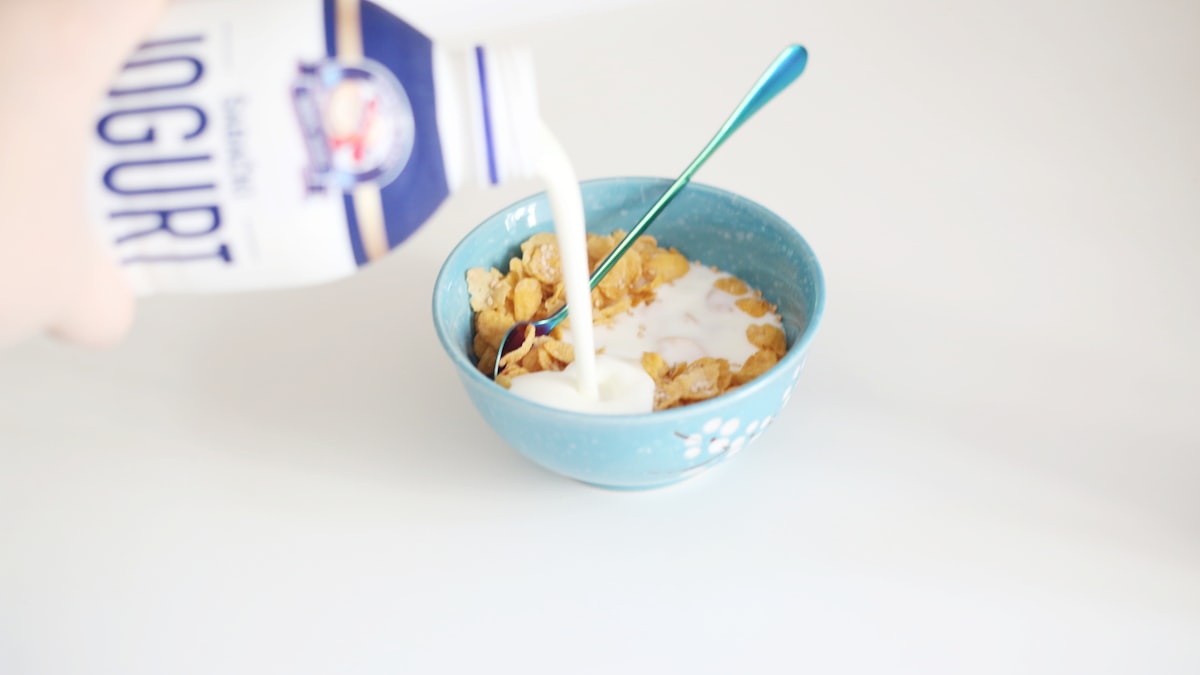
Vitamin D: The Sunshine Nutrient
Explore vitamin D's essential role in calcium absorption, food sources that provide this nutrient, and considerations about supplementation and sun exposure.
Read article →
Movement and Nutrition: A Synergistic Pair
Discover how physical activity works together with nutritional choices to support bone strength and overall health during midlife and beyond.
Read article →Questions or Feedback?
Our editorial team welcomes your questions, comments, and suggestions. Reach out to us at any time—we read every message and value your input in helping us create better, more useful content.
Contact Information:
📍 Pražská ul. 80, Olomouc, Czech Republic
📞 +420 153 880 071